What is Digital Marketing? A Simple Beginner Guide
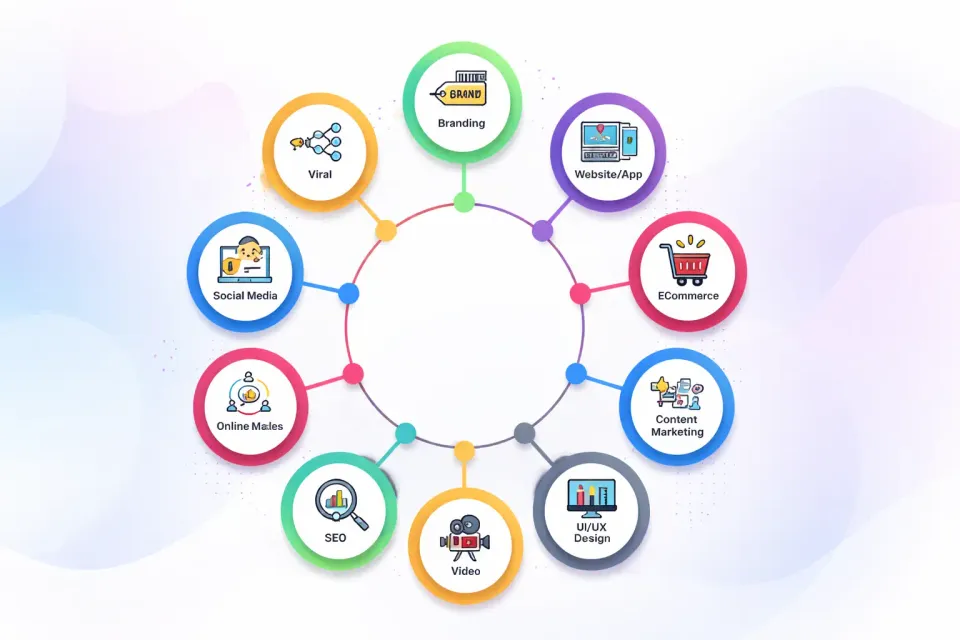
Table of Contents
Tap to expand
- Breaking Down Digital Marketing
- Why This Matters So Much Today
- The Key Components You Need to Know
- Search Engine Optimization (SEO)
- Content Marketing
- Social Media Marketing
- Pay-Per-Click Advertising (PPC)
- Email Marketing
- How It All Connects in Practice
- Practical Tips for Getting Started
- Common Pitfalls to Avoid
- Looking Toward the Future
- Conclusion
- References
If you find yourself asking what digital marketing actually is and why it matters so much these days, you are already heading in the right direction. We live in a world where almost everything we do happens online. Whether we are shopping for groceries, learning a new skill, or just staying connected with friends, the internet is our primary tool. Because of this massive shift, understanding digital marketing has gone from being just a useful skill to an absolute necessity.
Whether you are a complete beginner, a seasoned professional looking to update your knowledge, or a small business owner, knowing how digital marketing functions can give you a massive advantage. It helps you reach the right people at the right time and ultimately grow your business faster than traditional methods ever could.
Breaking Down Digital Marketing
At its core, digital marketing encompasses all the marketing activities that use digital channels to promote products or services. Think of channels like search engines, social media platforms, email newsletters, responsive websites, and mobile applications.
What makes digital marketing incredibly different from traditional marketing is the level of control and insight it gives you. Instead of putting up a billboard and hoping the right people drive by it, digital marketing allows you to:
- Target highly specific audiences based on their interests and behaviors.
- Track your campaign results in real time.
- Optimize your strategies quickly if something is not working.
- Scale up your efforts instantly based on actual performance data.
In the simplest of terms, it is marketing powered by data, analytics, and modern technology.
Why This Matters So Much Today
Understanding the true value of digital marketing becomes much clearer when you take a moment to look at how people behave today.
Think about your own habits. Most customers will instinctively pull out their phones to search online before buying anything. They compare products digitally, read reviews, and engage with their favorite brands on platforms like Instagram or Twitter long before they ever make a purchase decision.
Because your audience is already spending a significant chunk of their day online, it only makes sense to meet them there. Digital marketing is also notably more cost-effective compared to traditional advertising mediums like TV or print media. More importantly, the results are measurable. A small local cafe can use targeted social media ads to attract nearby customers far more effectively and cheaply than printing out hundreds of flyers. Even small businesses now have the potential for a global reach.
The Key Components You Need to Know
To fully grasp the concept of digital marketing, you need to understand the main pillars that hold it up.
Search Engine Optimization (SEO)
SEO is essentially the process of improving your website’s visibility on search engines like Google or Bing. The main goal here is straightforward: rank higher so users can find you naturally when they search for relevant topics.
Key tactics include optimizing your content with the right keywords, creating high quality and valuable articles, and making sure your website performs well on a technical level.
Content Marketing
Content marketing is all about creating valuable, relevant, and consistent material designed to attract and retain a clearly defined audience. This can take many forms, including blog posts, engaging videos, social media updates, and comprehensive e-books.
Instead of aggressively pitching your products, you focus on building trust first. A great example of this is a financial consulting brand sharing practical weekly budgeting tips. This builds incredible credibility and naturally attracts potential long term clients.
Social Media Marketing
This pillar involves promoting your brand and your content through popular platforms like Instagram, TikTok, LinkedIn, and Facebook. It works exceptionally well because it allows for direct engagement with your audience. It gives your brand a personality and offers a very high potential for organic reach if your content happens to resonate strongly with viewers.
Pay-Per-Click Advertising (PPC)
Unlike organic strategies, PPC allows you to essentially buy traffic by placing ads online. As the name suggests, you pay a small fee each time someone actually clicks on your ad.
The biggest advantage of PPC is that it delivers immediate results. You can set highly targeted campaigns and easily measure your return on investment. A very common example is seeing a sponsored Google Ad displayed at the very top of your search results when you look for a specific product.
Email Marketing
Despite being one of the oldest digital channels, email marketing remains one of the most reliable and effective strategies out there. It provides direct, highly personalized communication with your audience. Because you actually own your email list, it is not subject to the sudden algorithm changes that often plague social media platforms. It is fantastic for building long term relationships and offers an incredibly high return on investment.
How It All Connects in Practice
Digital marketing is rarely about relying on just one channel. The real magic happens when you see how everything connects together.
Here is a simple look at a typical customer journey:
- A user searches for a solution on Google and discovers your blog post through good SEO.
- They read your content, find it genuinely helpful, and begin to trust your brand.
- Feeling engaged, they decide to follow your social media profiles.
- A few days later, they see a retargeted PPC ad highlighting one of your services and click through to your site.
- They subscribe to your email newsletter to receive more updates and eventually make a purchase.
Every single step supports and reinforces the next one.
Practical Tips for Getting Started
If you are new to all of this, the best advice is to not overcomplicate things. Trying to master everything at once usually leads to burnout.
Start by defining your target audience as clearly as possible. Once you know who you are talking to, pick just one or two channels to focus on first. Dedicate your energy to creating helpful and consistent content for those specific channels. Make a habit of tracking your performance using free analytics tools, and use that data to continuously tweak and improve your strategy. Remember that digital marketing is a long game of learning and adapting over time.
Common Pitfalls to Avoid
Even highly experienced marketers make mistakes from time to time. Here are a few prominent ones you should watch out for:
- Spreading your resources too thin by trying too many strategies at once.
- Ignoring the data and making decisions based purely on gut feeling.
- Being overly sales focused rather than providing value.
- Keeping an inconsistent brand voice across different platforms.
- Expecting massive, overnight results.
Always remember that consistency will beat intensity every single time.
Looking Toward the Future
The digital landscape is constantly shifting and evolving. Staying updated will help you maintain a competitive edge.
Some of the major trends shaping the future right now include the heavy integration of AI tools in marketing workflows, the massive popularity of short form video content, the rising importance of voice search optimization, and a growing emphasis on data privacy and ethical marketing practices.
Conclusion
So, what exactly is digital marketing?
It is a modern, dynamic approach to marketing that leverages digital channels to genuinely connect with your audience, deliver real value, and drive measurable business results.
Whether you are just launching a brand new website or looking for ways to improve an existing strategy, the formula remains the same. Start simple, stay incredibly consistent, and always focus on delivering value to your audience. Digital marketing is not about trying to be everywhere and do everything. It is about doing the right things effectively.
Want to learn more? Explore other articles in our Digital Marketing category and keep improving your skills step by step.
References
It is incredibly helpful to refer to established literature regarding the foundational theories of Digital Marketing. Here are some great resources to explore:

Related Posts
What is AIO? The Ultimate AI Optimization Strategy
Learn what AIO (AI Optimization) is and how it works. Discover proven strategies to boost your brand visibility across AI platforms like ChatGPT and Gemini.
What is GEO? A Beginner's Guide to Generative Engine Optimization
Discover what GEO (Generative Engine Optimization) is and why it matters for AI search. Learn actionable strategies to get your content cited by AI platforms.
What is SEO? Complete Guide to Search Engine Optimization
Learn what SEO is and how it works. A complete beginner-friendly guide to Search Engine Optimization strategies for achieving higher rankings in 2026.